





Explore Planetary Health

Research & Resources

Browse or search our curated collection of research articles, tools, videos, and other Planetary Health resources. Featuring approximately 3,000 research articles and additional tools spanning a variety of thematic areas, our library has information on Planetary Health for every audience — whether you’re exploring the field for the first time, an educator hoping to engage Planetary Health in your classroom, a seasoned scientific researcher, or someone looking to making a difference in your community and in the world. New resources are added every month.

Contact us to suggest items to add to our library and sign up for our newsletter to receive updates on the latest additions.

All Resources

Tip: Use quotation marks while searching for your term (e.g., "climate change") to find exact terms.

Close

Filter by:

Resource Type

Earth Systems Changes:

Environmental Changes
Planetary Boundaries
Health Impacts
Sectors
Interventions
Perspectives
Regions
Year

162 Results

Not finding what you’re looking for?

Newest First

Filters

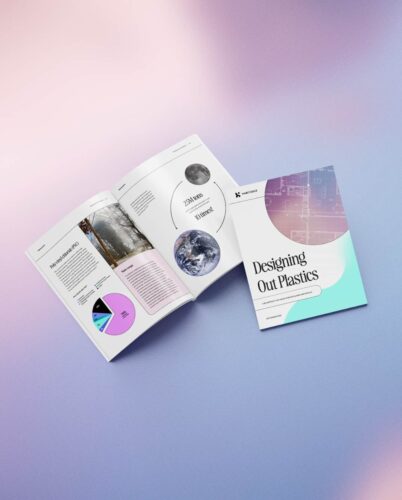
Designing Out Plastics: A Blueprint for Healthier Building Materials. Habitable.

Chemical Pollution Built Environment and Urbanization

Designing Out Plastics: A Blueprint for Healthier Building Materials. Habitable.

Habitable’s new report exposes the widespread use of harmful plastic building materials, linking them to health risks, fire toxicity, and fossil fuel dependence, while offering solutions and showcasing leaders advancing safer, healthier alternatives already available.

• Research & Reports

Habitable

Microbial, nanotechnological and biosensor-based innovations for sustainable pesticide management. Springer Nature Link.
A green field of crops under a hazy sky with tall trees in the background and sunlight filtering through.

Chemical Pollution Technology and Innovation

Microbial, nanotechnological and biosensor-based innovations for sustainable pesticide management. Springer Nature Link.

Experts explore sustainable alternatives to chemical pesticides, emphasizing the role of soil microorganisms, nanotechnology, and biosensors in reducing environmental and human health impacts.

• Research & Reports

Singh, N., Raj, A., and Kumar, A.