The Latest

Official Content from the Planetary Health Alliance

Here you will find the latest news, blog posts, and announcements. All content is curated or created under PHA’s editorial oversight, representing the voice of our global movement to address the health impacts of human-caused disruptions to Earth’s natural systems.

  • Interested in contributing your story to the PHA website? We invite you to explore our blog guidelines here.
  • Submit content aligned with our monthly themes.
  • For external news articles and publications about Planetary Health, please visit our Research and Resource Library.
  • For regularly curated collections of the newest research, events, and opportunities in Planetary Health, explore our Newsletter.
  • View past blogs and stories on Medium (Free Access)
Fewer insects, fewer nutritious crops: pollinator decline imperils human health

News

Fewer insects, fewer nutritious crops: pollinator decline imperils human health

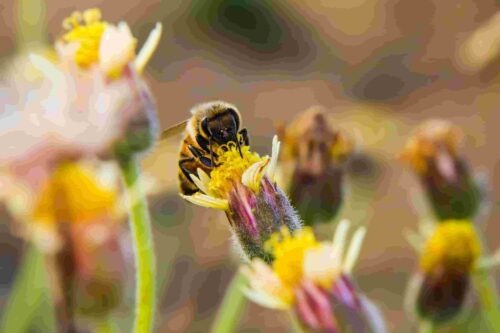
A first-of-its-kind study tracking 776 people across ten smallholder farming villages in Nepal found that insect pollinators directly account for 44% of household farming income and more than 20% of families’ intake of vitamin A, folate, and vitamin E.

Updates & Stories

Tip: Use quotation marks while searching for your term (e.g., "climate change") to find exact terms.

Close

Filter by:

News Type

Earth Systems Changes:

Environmental Changes
Planetary Boundaries
Health Impacts
Sectors
Interventions
Perspectives
Regions

90 Results

Newest First

Filters

Planetary Health is Fundamental to Children’s Health in Africa

Essay

Planetary Health is Fundamental to Children’s Health in Africa

Across Africa, the climate crisis is flooding homes, spreading diseases, failing harvests, and threatening food security for millions. Planetary Health Campus Ambassador Mariam Kasali explores how children’s health depends on Planetary Health.

Fewer insects, fewer nutritious crops: pollinator decline imperils human health

News

Fewer insects, fewer nutritious crops: pollinator decline imperils human health

A first-of-its-kind study tracking 776 people across ten smallholder farming villages in Nepal found that insect pollinators directly account for 44% of household farming income and more than 20% of families’ intake of vitamin A, folate, and vitamin E.
T.P. Timberlake, S. Sapkota, N.M. Saville, S.C. Baral, D.R. Bhusal, A.R. Cirtwill, K. Devkota, S. Giri, H.A. Harris-Fry, D. Joshi, S. Kortsch, S.S. Myers, T. Roslin, M.R., Smith, J. Memmott

Iraq’s Fraying Food Systems Warn of a Planetary Health Crisis
A wheat field against a blue sky

Essay

Iraq’s Fraying Food Systems Warn of a Planetary Health Crisis

In Iraq, food system disruption is no longer a distant forecast. It is visible in diminished wheat fields under harsher skies, in smaller sheep flocks, in higher prices for meat and dairy, and in the uneasy coexistence of farms with oil infrastructure. The Planetary Health lens reminds us that truly nourishing food is never only about calories or markets, it is also about the wellbeing of the land, water, air, animals, and people who sustain one another.

Abdullah Y. Shihab