
WHAT IS PLANETARY HEALTH?

Resource Scarcity

The limited availability of freshwater, rare earth metals, and arable land is an enormous challenge in many parts of the world.

The supply of natural resources such as soil, water, and minerals is diminishing due to climate change and consumption patterns. Their scarcity ripples outward to other systems humans rely on for survival, such as agriculture and aquaculture, aquifers, woodlands, renewable energy sources, and medical technology and supplies

In particular, demographic changes are driving sharp increases in global water and energy demand at a time when climate change and unsustainable water use promises to increase water scarcity in a variety of ways, and the emissions and runoff from mining activities negatively impact water, air, and soil quality. Ironically, the demand for renewable energy also increases the need for rare earth metals which are extracted at the expense of nature. Competition for scarce resources has also been linked to displacement of populations and conflict.

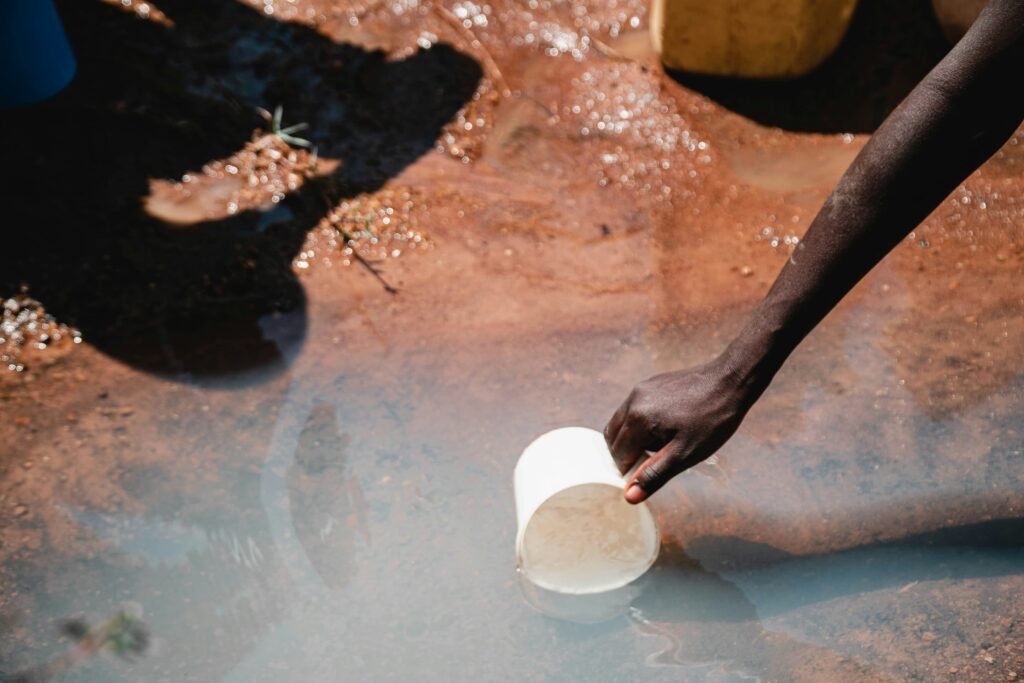
Hand holding an empty cup dips it in cloudy water on the dirt ground.

Generations of resource extraction and overuse of ecosystem services have scarred the natural environment: the planet cannot support current levels of human consumption, and the benefits we derive from ecosystem services and natural resource consumption can no longer justify the destruction of the environment. Research to better characterize these challenges and identify systems-level solutions to competing needs for ecosystem services is urgently needed. 

Resource Scarcity Resources

Tip: Use quotation marks while searching for your term (e.g., "climate change") to find exact terms.

Close

Filter by:

Resource Type
Planetary Boundaries
Health Impacts
Sectors
Interventions
Perspectives
Regions
Year

143 Results

Not finding what you’re looking for?

Newest First

Filters

Case Study 4: Going Circular

Infectious Diseases Land Use and Land Cover Change

Case Study 4: Going Circular

The case study documents how the Aguas Andinas company has increased its energy self-sufficiency and created a valuable suite of products from treated sewage that would have previously been sent to landfill—all while demonstrating that a circular economy model is better for the company’s bottom line and for climate change resilience in Santiago, Chile.

• Case Studies
Duff, H., Faerron Guzmán, C., Almada, A., et al.

Case Study 5: Putting Food Needs First

Nutritional Diseases Biodiversity Loss

Case Study 5: Putting Food Needs First

Set in the Maroantsetra region of northeastern Madagascar, this case looks at interventions that could dually support wildlife conservation and promote human health, including the possibility of sustainable wildlife harvest as well as domestic animal rearing.

• Case Studies

Duff, H., Faerron Guzmán, C., Almada, A., et al.

Case Study 7: Today’s Solutions for the Future of Food

Nutritional Diseases Land Use and Land Cover Change

Case Study 7: Today’s Solutions for the Future of Food

This case study focuses on a trio of strategies for redesigning the food system: the need to sustainably intensify production; promote a shift towards healthier plant-based diets; and reduce global food loss and waste.

• Case Studies

Duff, H., Faerron Guzmán, C., Almada, A., et al.

Case Study 8: Family Planning for People and Planet

Life Stage and Reproductive Health Resource Scarcity

Case Study 8: Family Planning for People and Planet

This case study illustrates the relationship between population, family planning, community health, and the sustainability of natural resources in the Lake Victoria Basin, the largest lake basin on the African continent.

• Case Studies

Duff, H., Faerron Guzmán, C., Almada, A., et al.