
Nutritional Diseases Climate Change
Global impacts of heat and water stress on food production and severe food insecurity. Scientific Reports.
• Research & Reports
WHAT IS PLANETARY HEALTH?
The limited availability of freshwater, rare earth metals, and arable land is an enormous challenge in many parts of the world.
The supply of natural resources such as soil, water, and minerals is diminishing due to climate change and consumption patterns. Their scarcity ripples outward to other systems humans rely on for survival, such as agriculture and aquaculture, aquifers, woodlands, renewable energy sources, and medical technology and supplies.
In particular, demographic changes are driving sharp increases in global water and energy demand at a time when climate change and unsustainable water use promises to increase water scarcity in a variety of ways, and the emissions and runoff from mining activities negatively impact water, air, and soil quality. Ironically, the demand for renewable energy also increases the need for rare earth metals which are extracted at the expense of nature. Competition for scarce resources has also been linked to displacement of populations and conflict.
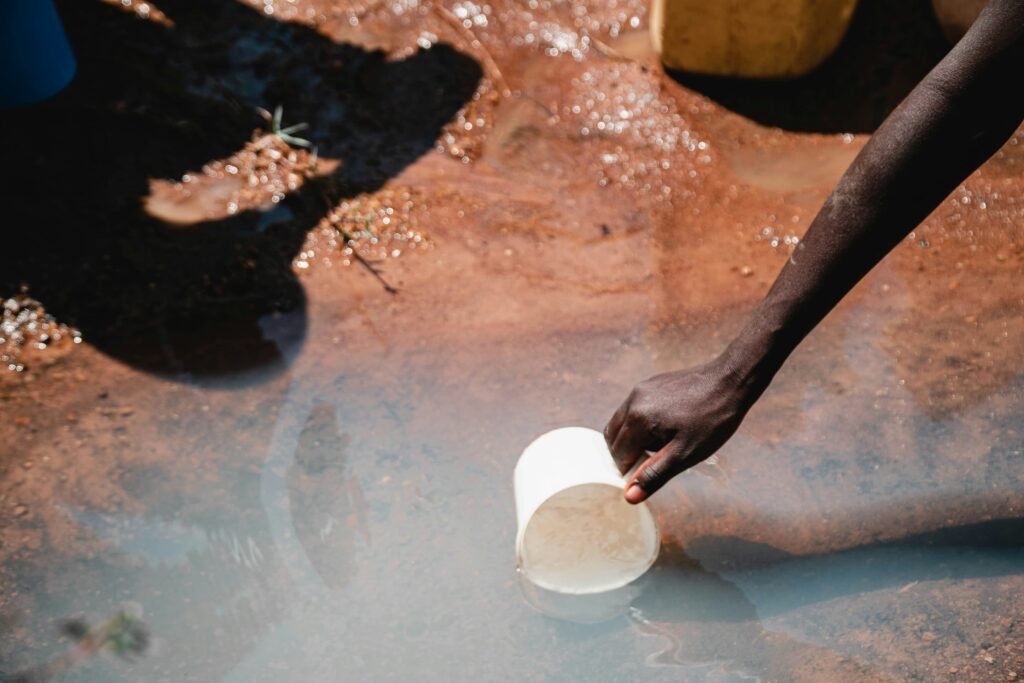
Generations of resource extraction and overuse of ecosystem services have scarred the natural environment: the planet cannot support current levels of human consumption, and the benefits we derive from ecosystem services and natural resource consumption can no longer justify the destruction of the environment. Research to better characterize these challenges and identify systems-level solutions to competing needs for ecosystem services is urgently needed.
Nutritional Diseases Climate Change
• Research & Reports

Mental Health Resource Scarcity
• Research & Reports
Mental Health Resource Scarcity
• Research & Reports
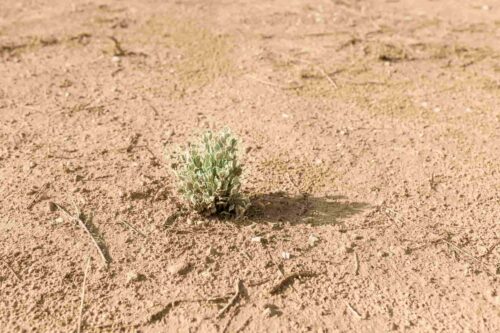
Resource Scarcity Governance and Policy
• Research & Reports
Resource Scarcity Built Environment and Urbanization
This article highlights how Los Angeles has steadily reduced its total water use despite population growth, thanks to conservation policies, changing social norms, and infrastructure upgrades. It explores possible next steps toward regional water self-reliance.
• News
