





Noncommunicable Diseases Food Systems
Healthy Eating for the Planet, Cardiovascular Health, and Longevity: An Observational Study
• Research & Reports

Explore Planetary Health
Browse or search our curated collection of research articles, tools, videos, and other Planetary Health resources. Featuring approximately 2,000 research articles and additional tools spanning a variety of thematic areas, our library has information on Planetary Health for every audience — whether you’re exploring the field for the first time, an educator hoping to engage Planetary Health in your classroom, a seasoned scientific researcher, or someone looking to making a difference in your community and in the world. New resources are added every month.
Contact us to suggest items to add to our library and sign up for our newsletter to receive updates on the latest additions.
All Resources
Noncommunicable Diseases Food Systems
• Research & Reports
Noncommunicable Diseases Technology and Innovation
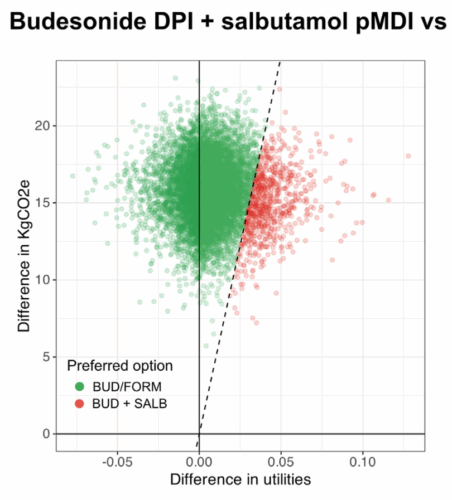
This study introduces a novel method—carbon-effectiveness analysis—that evaluates healthcare interventions by integrating clinical benefits with environmental impacts. Using asthma as a case study, the authors compare three treatment strategies.
• Research & Reports
Noncommunicable Diseases Air Pollution
This review article examines how long-term exposure to air pollution contributes to atherosclerosis through epigenetic changes like DNA methylation, histone modifications, and altered non-coding RNA expression. It highlights new pathways for cardiovascular disease prevention and treatment.
• Research & Reports
Noncommunicable Diseases Air Pollution
This review provides an overview of how air pollution promotes the development of atherosclerosis (the build up of fats and cholesterol in and on the artery walls).
• Research & Reports

Noncommunicable Diseases Chemical Pollution
Researchers compared marine microplastic concentrations near U.S. coastlines with rates of cardiometabolic diseases in nearby counties. Using national survey and environmental data, they explored whether higher microplastic levels relate to higher disease prevalence.
• Research & Reports

Planetary Health Frameworks

Planetary Health Frameworks

Planetary Health Frameworks
