Biological diversity underpins many natural systems that are essential for human health and well-being.
Depletion of natural resources, pollution, invasive species, climate change, ocean acidification, and habitat degradation are just some of the human-driven (anthropogenic) factors driving biodiversity loss. According to the World Wildlife Fund’s 2024 Living Planet report, the average size of monitored wildlife populations has shrunk by 73% over the 50 year period between 1970 and 2020. Approximately one million species are facing the threat of extinction—which reflects a dramatic acceleration in the past century.
Biodiversity loss at this scale places at risk nature’s contributions to people, also known as ecosystem services. This includes
regulating contributions (e.g., water purification and climate regulation),
material contributions (e.g., use as medicine, food, energy, etc.), and
non-material contributions (e.g., as a source of inspiration).
Among many examples of the health consequences of biodiversity loss, pollinator decline has been linked toincreased disease and death due to deterioration of healthy food consumption. In turn, unsustainable global food systems have put 83% of species at risk of extinction. In addition, destruction of biodiverse regions has been linked to increased risk of transmission of zoonotic diseases. It is also important to note the mental health impacts of biodiversity loss. “Ecological grief – a sense of distress related to environmental loss – is a growing threat to psychosocial wellbeing.”
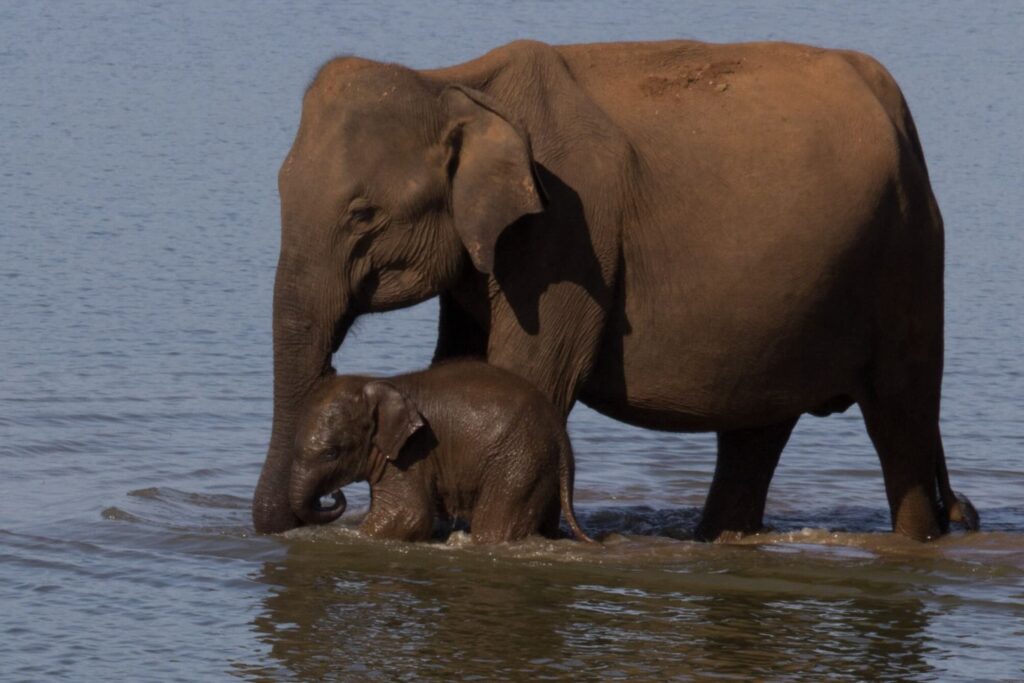
Photograph by Eric Kronstadt
“Healthy biodiversity is the essential infrastructure that supports all forms of life on earth, including human life. It also provides nature-based solutions to many of the most critical environmental, economic, and social challenges that we face as human society, including climate change, sustainable development, health, and water and food security.”
Dr. Cristiana Paşca Palmer
Executive Secretary, Convention on Biological Diversity, (CBD)