WHAT IS PLANETARY HEALTH?

Infectious Diseases

Illnesses caused by infections by microorganisms like bacteria, viruses, fungi, or parasites are increasing in spread and severity due to environmental changes.

The rise of infectious diseases is exacerbated by global anthropogenic environmental changes, which are deeply intertwined with socioeconomic and ecological factors. Biodiversity loss, climate change, chemical pollution, and the introduction of non-native species are linked to increases in infectious disease-related outcomes.

Climate change, combined with global mobility and urbanization, is significantly influencing the distribution of vector-borne, food-borne, and water-borne diseases. For instance, dengue virus infections have doubled every decade since 1990, with other mosquito-borne diseases like chikungunya and Zika experiencing similar trends. These vector-borne diseases are particularly sensitive to environmental changes, with human activities such as urban expansion, infrastructure development, and agriculture serving as key predictors of their occurrence. 

Deforestation has also been linked to the increase in the spread of mosquito-borne diseases. Warm, partially shaded pools that form beside roads seeping into forests, and puddles behind debris where water is no longer absorbed by trees, provide optimal breeding grounds for these mosquitoes. 

The distribution of malaria-carrying mosquitoes has shifted substantially. Anopheles mosquitoes have expanded their range over the past century, moving over 500 kilometers southward and 700 meters up in altitude, driven by changes in rainfall, temperature, and humidity. 

Bacterial infections are also becoming more prevalent due to climate change, deforestation, and pollution. Vibrio bacteria, found in coastal waters, are thriving under conditions shaped by rising sea temperatures and altered salinity levels. These bacteria can cause severe illnesses, ranging from gastroenteritis to life-threatening cholera and sepsis. 

Addressing these challenges requires comprehensive strategies that tackle their root causes. Reducing greenhouse gas emissions, maintaining healthy ecosystems, preventing the spread of invasive species, and conserving biodiversity are essential measures to lower disease risks. When combined with efforts to improve social and economic conditions, these actions can significantly mitigate the growing burden of infectious diseases. 

Infectious Diseases Resources

Tip: Use quotation marks while searching for your term (e.g., "climate change") to find exact terms.

Close

Filter by:

Resource Type

Earth Systems Changes:

Environmental Changes
Planetary Boundaries
Sectors
Interventions
Perspectives
Regions
Year

508 Results

Not finding what you’re looking for?

Newest First

Filters

Effect of a novel house design (star home) on indoor malaria mosquito abundance in rural Tanzania: secondary outcomes of an open-label, household, randomised controlled trial. The Lancet Planetary Health.
A thatched-roof hut situated in a field

Infectious Diseases Built Environment and Urbanization

Effect of a novel house design (star home) on indoor malaria mosquito abundance in rural Tanzania: secondary outcomes of an open-label, household, randomised controlled trial. The Lancet Planetary Health.

This study evaluates whether a novel screened house design (star home) reduces indoor mosquito abundance and malaria transmission risk compared with traditional houses.

• Research & Reports

Mmbando, A.S., Ngonzi, A.J., Mshamu, S., et al.

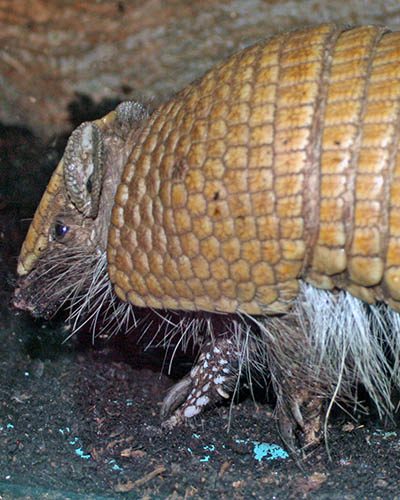
Wildlife hunting and the increased risk of leprosy transmission in the tropical Americas: A pathogeographical study. Infectious Diseases of Poverty.
Southern Three Banded Armadillo (Tolypeutes matacus) at the Louisville Zoo

Infectious Diseases Biodiversity Loss

Wildlife hunting and the increased risk of leprosy transmission in the tropical Americas: A pathogeographical study. Infectious Diseases of Poverty.

Armadillo hunting plays a significant role in human leprosy transmission. Solutions are proposed to mitigate future outbreaks in tropical regions facing rapid environmental change and persistent poverty.

• Research & Reports

Aliaga-Samanez, A., Deps, P.D., Fa, J.E., et al.

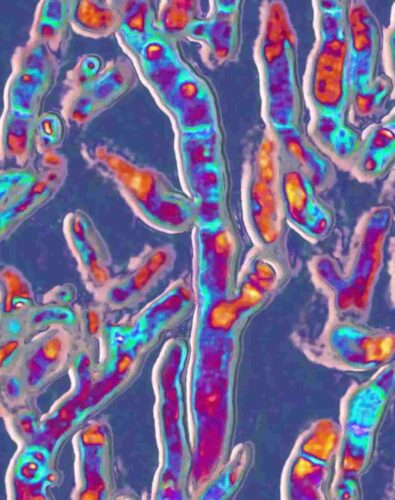
Killer fungi to spread as climate heats up. Financial Times.
The Aspergillus fumigatus pathogen seen under a microscope. © BSIP/Universal Images Group/Getty Images

Infectious Diseases Noncommunicable Diseases

Killer fungi to spread as climate heats up. Financial Times.

Climate change is accelerating the global spread of the deadly fungus Aspergillus, which infects millions of people annually. Rising temperatures could expose millions more to infections, especially the immunocompromised, threatening human health and food security.

• News

Peel, M.


News Related to Infectious Diseases

See More