
Climate Change Land Use and Land Cover Change
Tropical deforestation accelerates local warming and loss of safe outdoor working hours. One Earth.
• Research & Reports
WHAT IS PLANETARY HEALTH?
The conversion of natural habitat to land used for agriculture and industry is occurring rapidly on a global scale, with dire consequences for the structure and function of ecosystems.
Demographic shifts and increased demand for food, animal products, biofuel, and even cosmetics continue to drive the destruction of ecosystems and their services. This extractive activity leads to negative environmental and human health impacts including:
90% Tropical deforestation driven by agriculture, according to the World Wildlife Fund's 2024 Living Planet Report
The complex interactions between changes in land use, land cover, ecosystem services, and the attendant impacts on human health require longitudinal study across geographic regions in addition to urgent action to re-wild and restore many of the planet’s natural habitats.
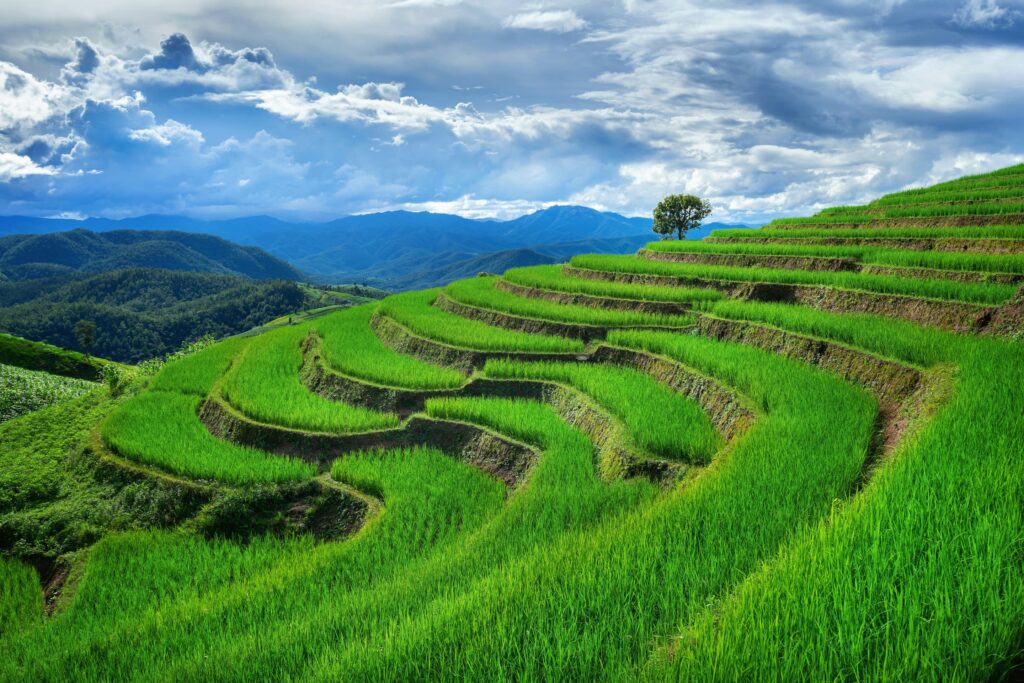
Climate Change Land Use and Land Cover Change
• Research & Reports
Land Use and Land Cover Change Economics and Economic Systems
• Research & Reports
Biodiversity Loss Land Use and Land Cover Change
• Research & Reports
Land Use and Land Cover Change Health and Care Systems
This case study examines a connection between rainforest conservation and affordable healthcare access in communities surrounding Gunung Palung National Park (GPNP) in West Kalimantan, Indonesia.
• Case Studies

Infectious Diseases Land Use and Land Cover Change
The case study documents how the Aguas Andinas company has increased its energy self-sufficiency and created a valuable suite of products from treated sewage that would have previously been sent to landfill—all while demonstrating that a circular economy model is better for the company’s bottom line and for climate change resilience in Santiago, Chile.
• Case Studies
