WHAT IS PLANETARY HEALTH?

Land Use and Land Cover Change

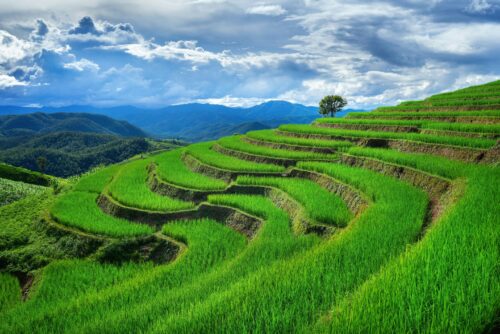
The conversion of natural habitat to land used for agriculture and industry is occurring rapidly on a global scale, with dire consequences for the structure and function of ecosystems.

Demographic shifts and increased demand for food, animal products, biofuel, and even cosmetics continue to drive the destruction of ecosystems and their services. This extractive activity leads to negative environmental and human health impacts including:

90% Tropical deforestation driven by agriculture, according to the World Wildlife Fund's 2024 Living Planet Report

The complex interactions between changes in land use, land cover, ecosystem services, and the attendant impacts on human health require longitudinal study across geographic regions in addition to urgent action to re-wild and restore many of the planet’s natural habitats.

Land Use and Land Cover Change Resources

Tip: Use quotation marks while searching for your term (e.g., "climate change") to find exact terms.

Close

Filter by:

Resource Type
Planetary Boundaries
Health Impacts
Sectors
Interventions
Perspectives
Regions
Year

411 Results

Not finding what you’re looking for?

Newest First

Filters

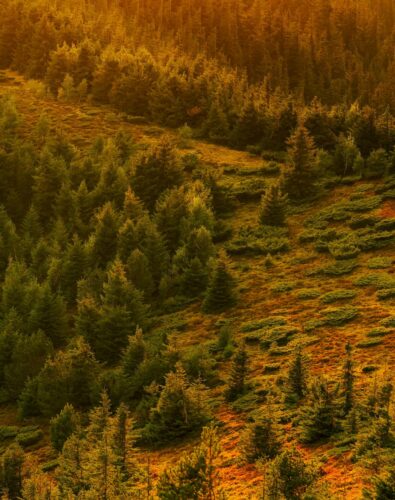
Can business conserve forests and our future? World Wildlife Fund.
A dense forested hillside glows in golden light, with evergreen trees and patches of green shrubs illuminated by the setting sun.

Land Use and Land Cover Change Business and Manufacturing

Can business conserve forests and our future? World Wildlife Fund.

WWF’s Linda Walker explores how record forest loss is threatening human health and the vital role businesses play in responsible forest management.

• Multi-Media

Larson, S. and Walker, L.

“Removing an Ogiek from the Forest is like removing a fish from water”: A qualitative examination on Ogiek community impacts from forced land eviction for conservation. PLOS Global Public Health.
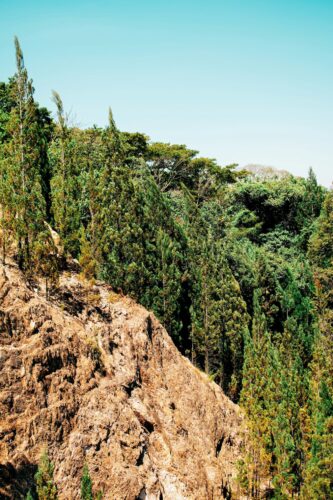
Rocky cliffside meets vibrant trees under a bright blue sky.

Land Use and Land Cover Change Governance and Policy

“Removing an Ogiek from the Forest is like removing a fish from water”: A qualitative examination on Ogiek community impacts from forced land eviction for conservation. PLOS Global Public Health.

This study examines the well-being impacts of forced land eviction in Kenya from an Indigenous perspective, revealing ongoing harms of colonial conservation and urging solidarity in restoring Indigenous stewardship of forests and homelands.

• Research & Reports

Forest, M., Kobei, D.M., Luari, S.L., et al.

Biodiversity and human well-being trade-offs and synergies in villages. Nature Sustainability.
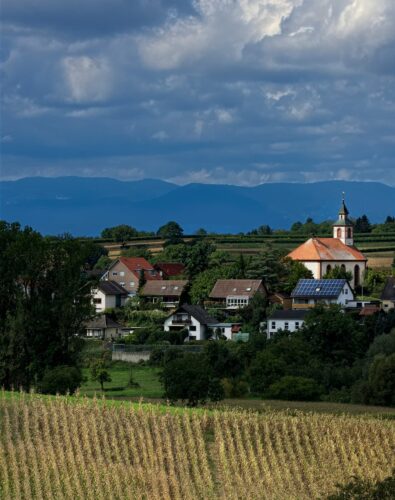
A tranquil village scene with a red-roofed church, quaint houses, and lush greenery, set against dramatic cloudy skies and distant mountains.

Biodiversity Loss Land Use and Land Cover Change

Biodiversity and human well-being trade-offs and synergies in villages. Nature Sustainability.

Researchers studied 64 Central and Eastern European villages and found that villages in forested areas can support both high biodiversity and human well-being, highlighting the importance of balancing rural development with ecological preservation.

• Research & Reports

Batáry, P., Gallé, R., Korányi, D., et al.

If the land isn’t healthy, we cannot be healthy:’ Indigenous health researcher reflects. Western News.

Land Use and Land Cover Change Indigenous Knowledge and Voices

If the land isn’t healthy, we cannot be healthy:’ Indigenous health researcher reflects. Western News.

In an interview with Schulich Communications, researcher Danya Carroll shares Indigenous knowledge on the ways climate change, health and conservation are all connected, and advice for creating meaningful collaboration between Indigenous and non-Indigenous researchers.

• Multi-Media

Schulich Communications


News Related to Land Use and Land Cover Change

See More