
WHAT IS PLANETARY HEALTH?

Life Stage and Reproductive Health

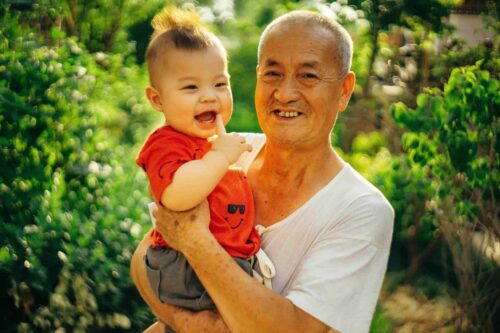
All ages and stages of life on Earth are affected by the environmental crisis.

Environmental degradation and climate-related disruptions pose significant health risks. Children, mothers, and elders are among the most vulnerable populations. During pregnancy, factors such as extreme heat, air pollution, and water scarcity increase the likelihood of adverse outcomes, including preterm birth, low birth weight, and maternal complications. Research has linked high temperatures and exposure to air pollution to a greater risk of preterm birth and low birth weight. 

Children exposed to degraded environments face elevated risks of respiratory illnesses, malnutrition, and developmental delays due to poor air and water quality. The World Health Organization reports that environmental risks significantly contribute to childhood diseases, with air pollution leading to respiratory infections and inadequate water quality causing diarrheal diseases, both of which can impair development. Additionally, malnutrition, often resulting from environmental degradation, adversely affects lung development and function in children, increasing susceptibility to respiratory conditions.

Older adults are particularly vulnerable during environmental crises, as extreme weather events and resource shortages often exacerbate chronic health conditions and limit access to essential healthcare. For example, extreme heat aggravates cardiovascular and respiratory diseases, resulting in increased hospitalizations and mortality among older populations.  

Furthermore, natural disasters disrupt healthcare services, making it difficult for elderly individuals to obtain necessary medical care and medications, further worsening their health challenges during such crises.  

Emerging research has also revealed that exposure to environmental toxins can trigger epigenetic changes with transgenerational effects, increasing health vulnerabilities across generations. These environmental stressors can induce heritable epigenetic alterations, heightening disease susceptibility and impacting health outcomes in future generations.

Life Stage and Reproductive Health Resources

Tip: Use quotation marks while searching for your term (e.g., "climate change") to find exact terms.

Close

Filter by:

Resource Type

Earth Systems Changes:

Environmental Changes
Planetary Boundaries
Sectors
Interventions
Perspectives
Regions
Year

255 Results

Not finding what you’re looking for?

Newest First

Filters

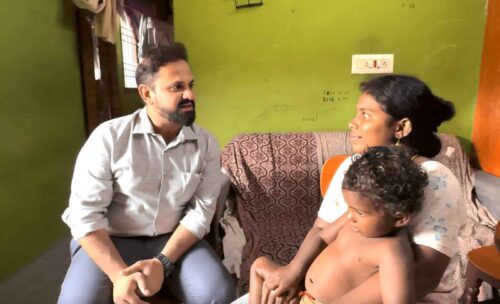
Surviving the Heat: Climate Change, Motherhood, and Health Justice in Tamil Nadu. Harvard Center for International Development.

Life Stage and Reproductive Health Climate Change

Surviving the Heat: Climate Change, Motherhood, and Health Justice in Tamil Nadu. Harvard Center for International Development.

This research-informed narrative examines the intersecting burdens of extreme heat, air pollution, and structural neglect faced by mothers in southern India.

• News

Thangarajan, S.

What drives parents’ use of air quality indexes during wildfire smoke events: Predictors of index knowledge, frequent checking, and following health guidance. Population and Environment.
The remains of wildfire-charred trees against a pale sky with mountains in the background.

Life Stage and Reproductive Health Air Pollution

What drives parents’ use of air quality indexes during wildfire smoke events: Predictors of index knowledge, frequent checking, and following health guidance. Population and Environment.

This study explored differences in AQI use and adherence among parents in British Columbia, Canada, and three US states, California, Oregon and Washington—jurisdictions that experience significant wildfire smoke seasons likely to worsen with climate change.

• Research & Reports

Slavik, C.E., Chapman, D.A., Cleland, S.E., et al.


News Related to Life Stage and Reproductive Health

See More