
Life Stage and Reproductive Health Chemical Pollution
PFAS Levels in Mothers’ Blood Associated with Children’s Brain Structure and Function
• News
WHAT IS PLANETARY HEALTH?
All ages and stages of life on Earth are affected by the environmental crisis.
Environmental degradation and climate-related disruptions pose significant health risks. Children, mothers, and elders are among the most vulnerable populations. During pregnancy, factors such as extreme heat, air pollution, and water scarcity increase the likelihood of adverse outcomes, including preterm birth, low birth weight, and maternal complications. Research has linked high temperatures and exposure to air pollution to a greater risk of preterm birth and low birth weight.
Children exposed to degraded environments face elevated risks of respiratory illnesses, malnutrition, and developmental delays due to poor air and water quality. The World Health Organization reports that environmental risks significantly contribute to childhood diseases, with air pollution leading to respiratory infections and inadequate water quality causing diarrheal diseases, both of which can impair development. Additionally, malnutrition, often resulting from environmental degradation, adversely affects lung development and function in children, increasing susceptibility to respiratory conditions.

Older adults are particularly vulnerable during environmental crises, as extreme weather events and resource shortages often exacerbate chronic health conditions and limit access to essential healthcare. For example, extreme heat aggravates cardiovascular and respiratory diseases, resulting in increased hospitalizations and mortality among older populations.
Furthermore, natural disasters disrupt healthcare services, making it difficult for elderly individuals to obtain necessary medical care and medications, further worsening their health challenges during such crises.
Emerging research has also revealed that exposure to environmental toxins can trigger epigenetic changes with transgenerational effects, increasing health vulnerabilities across generations. These environmental stressors can induce heritable epigenetic alterations, heightening disease susceptibility and impacting health outcomes in future generations.
Life Stage and Reproductive Health Chemical Pollution
• News
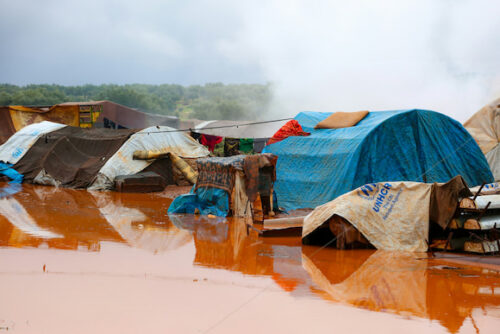
Displacement and Conflict Life Stage and Reproductive Health
• Research & Reports
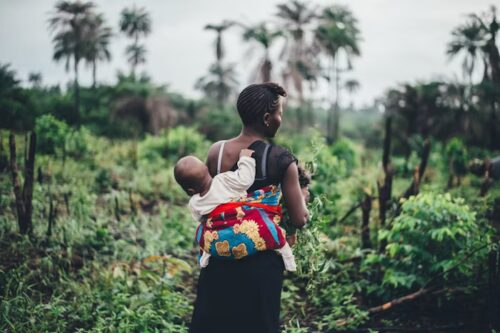
Life Stage and Reproductive Health Climate Change
Through interviews with women and healthcare workers, this study explores how climate change and extreme weather affect reproductive, maternal, and child health in Tanzania’s Kilwa District. Results show that floods, droughts, and rising temperatures limit access to care, increase disease and malnutrition risks, and heighten gender-based violence.
• Research & Reports
Life Stage and Reproductive Health Resource Scarcity
Despite technological progress, humanity operates beyond planetary biophysical limits and continues to face unmet needs. This paper explores the intersection of medicine, economic wellbeing and ecological sustainability in the context of global resource scarcity.
• Research & Reports
Displacement and Conflict Life Stage and Reproductive Health
• Podcasts
