2026 PHCA Projects

Learn more about the 2026 PHCAs and the projects they are leading.

Video by Ruvim Miksanskiy

An important component of the Planetary Health Campus Ambassador program is the independent project. Guided by mentors, students develop projects that demonstrate their personal understanding of Planetary Health and the health impacts of environmental change in their own communities. Every ambassador’s background and areas of focus are different, and the projects highlighted below are only a small selection of the broader work each one does. 

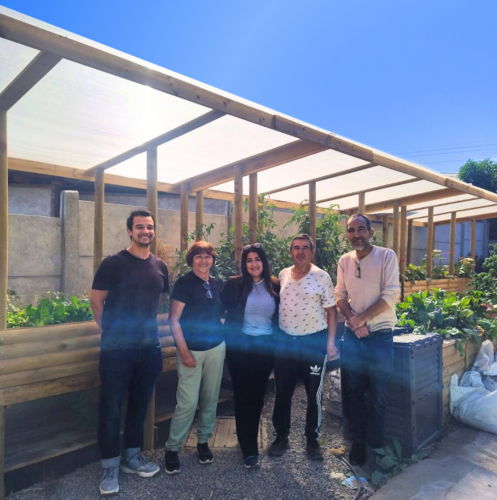
Mauricio at the Villa Independencia Neighborhood Association headquarters in March 2026.

Mauricio & Planetary Health Education

“The greatest impact in Planetary Health will come through education. It is a responsibility that student leaders must embrace – not only in Chile, but globally.” Mauricio sends this message from Andrés Bello University in Chile, where he is not only a veterinary student but also a champion of Planetary Health education and community-centered ecosystem reconstruction.

For Mauricio, Planetary Health represents “a trans-disciplinary approach that seeks to safeguard both the health and well-being of the planet and that of human populations.” Mauricio is using his platform and research to push for the integration of Planetary Health concepts into university education nationwide.

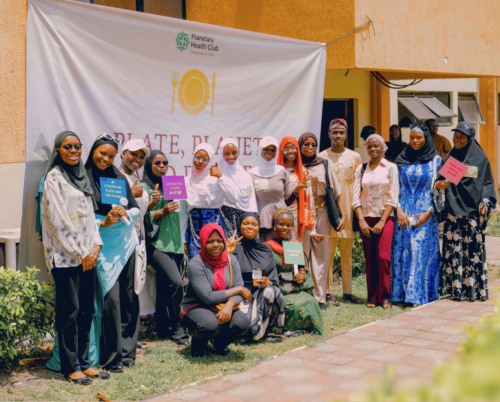
Izmat and the Planetary Health Club at the University of Ilorin.

Izmat & Sustainable Lifestyles

Izmat Lawal is an optometry student at the University of Ilorin in Nigeria. Alongside her coursework, she founded The Sacshop, a sustainable tote brand that offers consumers a durable, sustainable, and affordable bag with no compromises.

Through creative campus initiatives, cross-disciplinary partnerships, and her entrepreneurial work, Izmat wants to help people understand the connections between Planetary Health and their everyday lives because she knows “when people understand these connections, we are more likely to support sustainable policies, adopt responsible behaviors, and advocate for long-term solutions.”

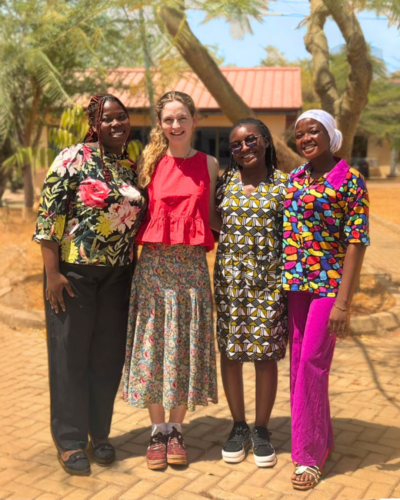
Women in science doing science for women: Rachel and Josephine, together with two data collectors Marcel Wemoye Yorose and Leticia Asetimi from the Navrongo Health Research Centre. This research is a team effort powered by many hands.

Josephine and Rachel: Maternal Health on a Warming Planet

Heat exposure poses a major threat to maternal and neonatal health – yet pregnant women remain one of the most overlooked populations in research and policy.

Rachel, a doctoral student in Germany, and Josephine, a health researcher in Ghana, are working to change that through the Healthy Mamas and Babies study. As Josephine notes, the study doesn’t just ask “what is the problem?” but “what can we do about it?”