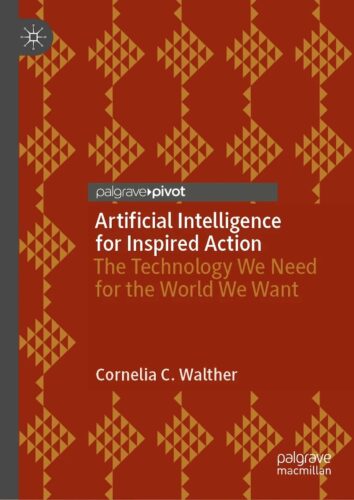
Technology and Innovation
• Books
What is Planetary Health?
AI is rapidly reshaping economies, decision-making, and daily life, offering enormous potential while posing significant social and environmental risks.
We are entering a Hybrid Tipping Zone, where the rapid mainstreaming of artificial intelligence (AI) and the global race for technological supremacy collide with human agency and planetary limits.
— Cornelia C. Walther, PhD, Chair of the AI & Innovation Working Group
Despite the potential to boost global GDP by up to 14% by 2030, the unchecked expansion of AI poses significant risks to Planetary Health. Our growing digital dependency, the erosion of decision-making autonomy, and widening ecological imbalance are pushing humanity toward the edges of planetary boundaries. This shift threatens all of Earth’s life support systems.
20% of the growth in global electricity demand in advanced economies could be due to data centers by 2030
The environmental cost of AI is mounting: in advanced economies, data centers are projected to account for over 20% of the increase in electricity demand by 2030, yet fewer than 1 in 3 AI initiatives include social or environmental impact assessments.
ProSocial AI acts as a counter-catalyst: a design and governance approach that seeks to ensures technology serves both people and the planet. The 4T Framework—Tailored, Trained, Tested, Targeted—guides AI systems to be context-relevant, inclusively trained, transparently validated, and purpose-driven. This approach is anchored in Hybrid Intelligence, leveraging the complementarity of Natural and Artificial intelligences, and grounded in Double Literacy, which integrates human literacy (self, society, sustainability) with algorithmic literacy (data, design, decision-making). ProSocial AI has the potential to harness technology to benefit both people and planet, ensuring these systems are working to mitigate rather than exacerbate environmental decline.
Want to help shape the future of technology for planetary wellbeing? Join the Planetary Health Roadmap’s AI & Innovation Working Group by filling out this form.
The AI & Innovation Working Group launched a speaker series in March 2026. To learn about future events, sign up on this form.
View recordings from past events:
Technology and Innovation
• Books
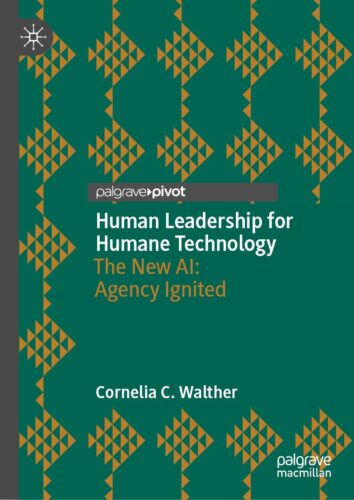
Technology and Innovation
• Books

Biodiversity Loss Food Systems
This episode explores the critical role of pollinators, soil regeneration, and regenerative agriculture in sustaining Planetary Health.
• Podcasts

Governance and Policy Technology and Innovation
• News

Infectious Diseases Technology and Innovation
• News
Noncommunicable Diseases Air Pollution
• News

Technology and Innovation Planetary Health Frameworks
This article explores how prosocial artificial intelligence could help advance Planetary Health.
• News
