
Mental Health Noncommunicable Diseases
• Research & Reports
What Is Planetary Health?
Our environment shapes neurological function and mental well-being, while resilient brains empower societies to adapt to and mitigate planetary challenges.
1 in 4 dementia deaths worldwide, approximately 626,000 deaths each year, is attributable to air pollution.
Brain health sits at the heart of Planetary Health, reflecting the dynamic relationship between human biology, social systems, and the environments we depend on to survive and thrive. The brain, our organ of cognition, emotion, behavior, and social connection, is uniquely sensitive to environmental conditions shaped by how we steward the planet. Rising temperatures, air and water pollution, extreme weather events, food and water insecurity, ecosystem degradation, and exposure to environmental toxins all affect neurological function, cognitive performance, and mental health across the lifespan.
20-30 minutes in natural environments can significantly improve attention, working memory, and executive function, compared with urban settings.
At the same time, healthy brains enable learning, creativity, cooperation, and collective decision-making, capacities that societies need to adapt to environmental change, design sustainable systems, and respond to crises. When environmental degradation undermines brain health, it weakens individual well-being, social cohesion, productivity, and communities’ ability to respond effectively to planetary challenges. This makes brain health both a vulnerability and a leverage point within the Planetary Health framework.
Scientific evidence increasingly shows that environmental stressors act on the brain through interconnected biological, psychological, and social pathways. Heat stress disrupts sleep, cognition, and mental health; air pollution accelerates cognitive decline and increases the risk of dementia and neurodevelopmental disorders; extreme weather events drive trauma, displacement, and long-lasting effects on mental and cognitive health. These risks are not evenly distributed. Children, older adults, people with pre-existing neurological or mental health conditions, and communities facing socioeconomic disadvantage bear a disproportionate burden. A Planetary Health approach therefore requires centering on equity, prevention, and resilience.
Crucially, many Planetary Health solutions are also brain-protective solutions. Cleaner air, climate-resilient food systems, access to green and blue spaces, urban tree canopies, reduced noise and heat exposure, and stronger social infrastructure all support cognitive function, emotional well-being, and neurological health while delivering environmental co-benefits. By explicitly integrating brain health into Planetary Health research, policy, and practice, we can better capture the full human benefits of environmental action and design interventions that strengthen both people and planet.
Mental Health Noncommunicable Diseases
• Research & Reports

Mental Health Youth Voices
• News

Mental Health Noncommunicable Diseases
• Research & Reports

Built Environment and Urbanization Public Sector
This brief explores how cities can turn friction into a force for collaboration and creativity. Drawing from real-world examples, the brief outlines four essential capabilities — navigation, convening, experimentation, and codification — that help governments build stronger, more effective partnerships for innovation. The brief was published by the Bloomberg Center for Public Innovation at Johns Hopkins University.
• Guides & Frameworks, Policy Briefs

Climate Change Health and Care Systems
Blue Shield of California recently collaborated with Milliman to investigate the impact extreme heat and poor air quality on healthcare utilization among the insured population in California in the years 2017-2019.
• Research & Reports
Climate Change Governance and Policy
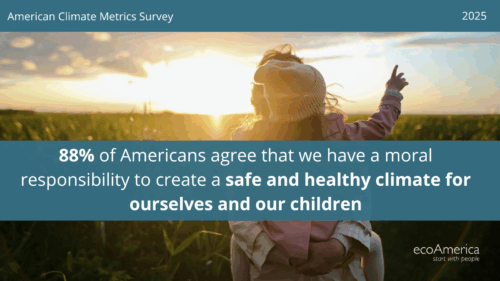
ecoAmerica’s latest findings show Americans across parties strongly align on clean air, water, energy, and a safe climate for themselves and their children.
• Research & Reports

Noncommunicable Diseases Air Pollution
Researchers uncovered some disturbing facts about the connections between liver disease and chemical pollutants.
• Research & Reports

Life Stage and Reproductive Health Climate Change
Through interviews with women and healthcare workers, this study explores how climate change and extreme weather affect reproductive, maternal, and child health in Tanzania’s Kilwa District. Results show that floods, droughts, and rising temperatures limit access to care, increase disease and malnutrition risks, and heighten gender-based violence.
• Research & Reports
