
Mental Health Noncommunicable Diseases
• Research & Reports
What Is Planetary Health?
Our environment shapes neurological function and mental well-being, while resilient brains empower societies to adapt to and mitigate planetary challenges.
1 in 4 dementia deaths worldwide, approximately 626,000 deaths each year, is attributable to air pollution.
Brain health sits at the heart of Planetary Health, reflecting the dynamic relationship between human biology, social systems, and the environments we depend on to survive and thrive. The brain, our organ of cognition, emotion, behavior, and social connection, is uniquely sensitive to environmental conditions shaped by how we steward the planet. Rising temperatures, air and water pollution, extreme weather events, food and water insecurity, ecosystem degradation, and exposure to environmental toxins all affect neurological function, cognitive performance, and mental health across the lifespan.
20-30 minutes in natural environments can significantly improve attention, working memory, and executive function, compared with urban settings.
At the same time, healthy brains enable learning, creativity, cooperation, and collective decision-making, capacities that societies need to adapt to environmental change, design sustainable systems, and respond to crises. When environmental degradation undermines brain health, it weakens individual well-being, social cohesion, productivity, and communities’ ability to respond effectively to planetary challenges. This makes brain health both a vulnerability and a leverage point within the Planetary Health framework.
Scientific evidence increasingly shows that environmental stressors act on the brain through interconnected biological, psychological, and social pathways. Heat stress disrupts sleep, cognition, and mental health; air pollution accelerates cognitive decline and increases the risk of dementia and neurodevelopmental disorders; extreme weather events drive trauma, displacement, and long-lasting effects on mental and cognitive health. These risks are not evenly distributed. Children, older adults, people with pre-existing neurological or mental health conditions, and communities facing socioeconomic disadvantage bear a disproportionate burden. A Planetary Health approach therefore requires centering on equity, prevention, and resilience.
Crucially, many Planetary Health solutions are also brain-protective solutions. Cleaner air, climate-resilient food systems, access to green and blue spaces, urban tree canopies, reduced noise and heat exposure, and stronger social infrastructure all support cognitive function, emotional well-being, and neurological health while delivering environmental co-benefits. By explicitly integrating brain health into Planetary Health research, policy, and practice, we can better capture the full human benefits of environmental action and design interventions that strengthen both people and planet.
Mental Health Noncommunicable Diseases
• Research & Reports

Mental Health Youth Voices
• News

Mental Health Noncommunicable Diseases
• Research & Reports

Collaboration and Partnerships Planetary Health Frameworks
The University of Concepción invited academic institutions, public agencies, and social organizations to form the Chilean Planetary Health Network.
• News
Resource Scarcity Equity and Justice
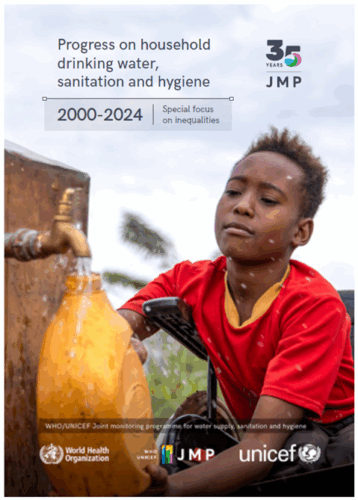
WHO and UNICEF examine global progress in access to safe drinking water, sanitation, and hygiene between 2000 and 2024, highlighting gains made by billions of people worldwide. Despite these improvements, access remains uneven, with slower progress in urban areas and low-income countries.
• Research & Reports

Infectious Diseases Climate Change
Researchers analyzed 20 years of data across the Amazon to assess how Indigenous Territories, their legal recognition, and surrounding landscapes influence fire-related and zoonotic/vector-borne diseases. Findings reveal that Indigenous Territories can reduce fire-related disease incidence and, depending on forest cover and fragmentation, help mitigate or amplify zoonotic/vector-borne disease risks.
• Research & Reports

Biodiversity Loss Food Systems
In this lesson, Dr. Miller explores how food systems impact health through things like diet, environmental contamination, occupational hazards, and social inequality.
• Videos

Climate Change Built Environment and Urbanization
High temperatures may be associated with increased risk of anxiety and depression outcomes in the Barcelona Metropolitan Area.
• Research & Reports
