Noncommunicable Diseases Air Pollution
Childhood exposure to air pollution, body mass index trajectories, and insulin resistance among young adults. JAMA Network Open.
• Research & Reports
WHAT IS PLANETARY HEALTH?
The leading cause of death and disability across the globe each year, NCDs are rising along with the prevalence of risk factors worsened by anthropogenic changes.
Noncommunicable diseases (NCDs) are a leading cause of global mortality, responsible for approximately 41 million deaths annually, equivalent to 74% of all global deaths, making their prevention and management critical public health priorities. Global environmental changes including climate change, biodiversity loss, freshwater depletion, deforestation, overfishing, ocean acidification, soil degradation, etc. increase the prevalence and severity of NCDs.
Air pollution, primarily from fossil fuel combustion, is a significant driver of global morbidity and mortality. The Global Burden of Diseases, Injuries, and Risk Factors Study 2019 estimates that air pollution contributes to around one in six deaths annually worldwide. Long-term exposure to air pollution, especially in urban and densely populated areas, is linked to reduced lung function, asthma, and chronic obstructive pulmonary disease (COPD).
Climate change affects health through various direct and indirect mechanisms. Rising temperatures and more frequent extreme weather events—such as cyclones, floods, and storms—exacerbate health risks for individuals with chronic diseases. A systematic review of 48 studies from developed countries found that individuals with cancer, diabetes, and cardiovascular diseases faced increased risks of health complications following such disasters.
Increased heat exposure due to climate change is also associated with higher mortality rates, more emergency department visits, and increased hospital admissions for cardiovascular, respiratory, and kidney-related conditions. Additionally, climate change affects NCD risk through pathways linked to food and nutrition, further compounding the public health challenge.
Noncommunicable Diseases Air Pollution
• Research & Reports

Noncommunicable Diseases Air Pollution
This review highlights growing evidence linking air pollution to rising type 2 diabetes in India, summarizing findings from Indian and global studies, biological mechanisms, and recommending urban planning, clean energy, and policy solutions.
• News
Infectious Diseases Noncommunicable Diseases
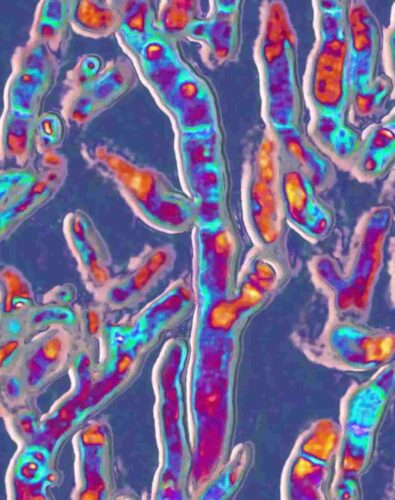
Climate change is accelerating the global spread of the deadly fungus Aspergillus, which infects millions of people annually. Rising temperatures could expose millions more to infections, especially the immunocompromised, threatening human health and food security.
• News

Noncommunicable Diseases Climate Change
This study aimed to estimate the effects of increased greenness in urban areas on heat-related deaths. Modeling suggests that preserving and expanding greenness is a potential solution to lower ambient temperatures and reduce the health impacts of heat exposure.
• Research & Reports

Noncommunicable Diseases Climate Change
This study finds that prolonged heatwave exposure significantly increases the risk of rapid kidney function decline in older adults in China, with urban residents, men, and those who smoke or drink especially vulnerable.
• Research & Reports
