
Mental Health Noncommunicable Diseases
• Research & Reports
What Is Planetary Health?
Our environment shapes neurological function and mental well-being, while resilient brains empower societies to adapt to and mitigate planetary challenges.
1 in 4 dementia deaths worldwide, approximately 626,000 deaths each year, is attributable to air pollution.
Brain health sits at the heart of Planetary Health, reflecting the dynamic relationship between human biology, social systems, and the environments we depend on to survive and thrive. The brain, our organ of cognition, emotion, behavior, and social connection, is uniquely sensitive to environmental conditions shaped by how we steward the planet. Rising temperatures, air and water pollution, extreme weather events, food and water insecurity, ecosystem degradation, and exposure to environmental toxins all affect neurological function, cognitive performance, and mental health across the lifespan.
20-30 minutes in natural environments can significantly improve attention, working memory, and executive function, compared with urban settings.
At the same time, healthy brains enable learning, creativity, cooperation, and collective decision-making, capacities that societies need to adapt to environmental change, design sustainable systems, and respond to crises. When environmental degradation undermines brain health, it weakens individual well-being, social cohesion, productivity, and communities’ ability to respond effectively to planetary challenges. This makes brain health both a vulnerability and a leverage point within the Planetary Health framework.
Scientific evidence increasingly shows that environmental stressors act on the brain through interconnected biological, psychological, and social pathways. Heat stress disrupts sleep, cognition, and mental health; air pollution accelerates cognitive decline and increases the risk of dementia and neurodevelopmental disorders; extreme weather events drive trauma, displacement, and long-lasting effects on mental and cognitive health. These risks are not evenly distributed. Children, older adults, people with pre-existing neurological or mental health conditions, and communities facing socioeconomic disadvantage bear a disproportionate burden. A Planetary Health approach therefore requires centering on equity, prevention, and resilience.
Crucially, many Planetary Health solutions are also brain-protective solutions. Cleaner air, climate-resilient food systems, access to green and blue spaces, urban tree canopies, reduced noise and heat exposure, and stronger social infrastructure all support cognitive function, emotional well-being, and neurological health while delivering environmental co-benefits. By explicitly integrating brain health into Planetary Health research, policy, and practice, we can better capture the full human benefits of environmental action and design interventions that strengthen both people and planet.
Mental Health Noncommunicable Diseases
• Research & Reports

Mental Health Youth Voices
• News

Mental Health Noncommunicable Diseases
• Research & Reports
Displacement and Conflict Life Stage and Reproductive Health
• Research & Reports
Climate Change Food Systems
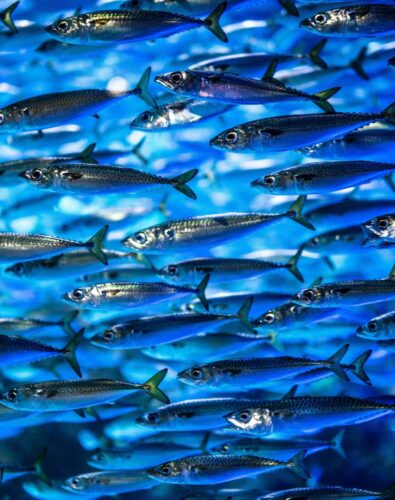
For the first time, researchers looked at the long-term Omega-3 supply from Mediterranean fisheries and found that warming seas and declining fish stocks are reducing it. Gains from warm-water fish can’t make up for losses from temperate and cold-water species, putting future Omega-3 from seafood at serious risk.
• Research & Reports
Collaboration and Partnerships Planetary Health Frameworks
2025 marks a decade since the landmark report established the field of Planetary Health and inspired the founding of the Planetary Health Alliance. To honor this milestone, we’ve created a piece that celebrates the achievements and impact of the PHA community over the past ten years.
• Videos

Collaboration and Partnerships Governance and Policy
Malaysia has earned international recognition at the Planetary Health Annual Meeting 2025 in Rotterdam for its forthcoming National Planetary Health Action Plan.
• News

Displacement and Conflict Climate Change
This report examines the impact of climate change across the Helmand River Basin. It documents the threat that both state and community responses to climate change and reductions in surface water pose to the livelihoods of an estimated 469,732 households in the Helmand River Basin – especially to the 3.65 million people on the Afghan side of the border, where the groundwater they have come to depend on is disappearing at an alarming rate. This research is part of a wider project examining the conflict that broke out between Iranian and Taliban forces in May 2023. In contrast to media...
• Research & Reports
